- Affiliate Marketing 2.0
- Posts
- Affiliate Manager's Guide to Publisher Paid Search Strategy
Affiliate Manager's Guide to Publisher Paid Search Strategy

Joshua Kennedy
June 17, 2024
With AI Overviews and algorithm updates, publishers may be pushed toward buying clicks. How should affiliate managers adapt?

AM2.0 #3
In issue #2, I discussed the possibility of affiliate agencies charging on a usage-based model instead of the traditional retainer.
In issue #3, I will discuss the need for affiliate managers to adapt to a shifting publisher landscape where publishers may be cornered into media buying arbitrage to generate affiliate revenue.
Let’s adapt.
What’s Changed?
AI Overviews
AI Overviews and Google Search Generative Experience (SGE) have altered the SERPS completely.
AI Overviews was released on May 14 and aims to provide “snapshots” of key information and generate answers to user queries.
AI Overviews presents information that users would have before had to “click” into an article to gather.
From a publisher’s perspective, the fear is that users who would have visited their content previously will no longer need to with AI Overviews.
Leading SEO tool, Semrush, says there is a “good chance” that AI Overviews will lead to more “zero-click searches.”
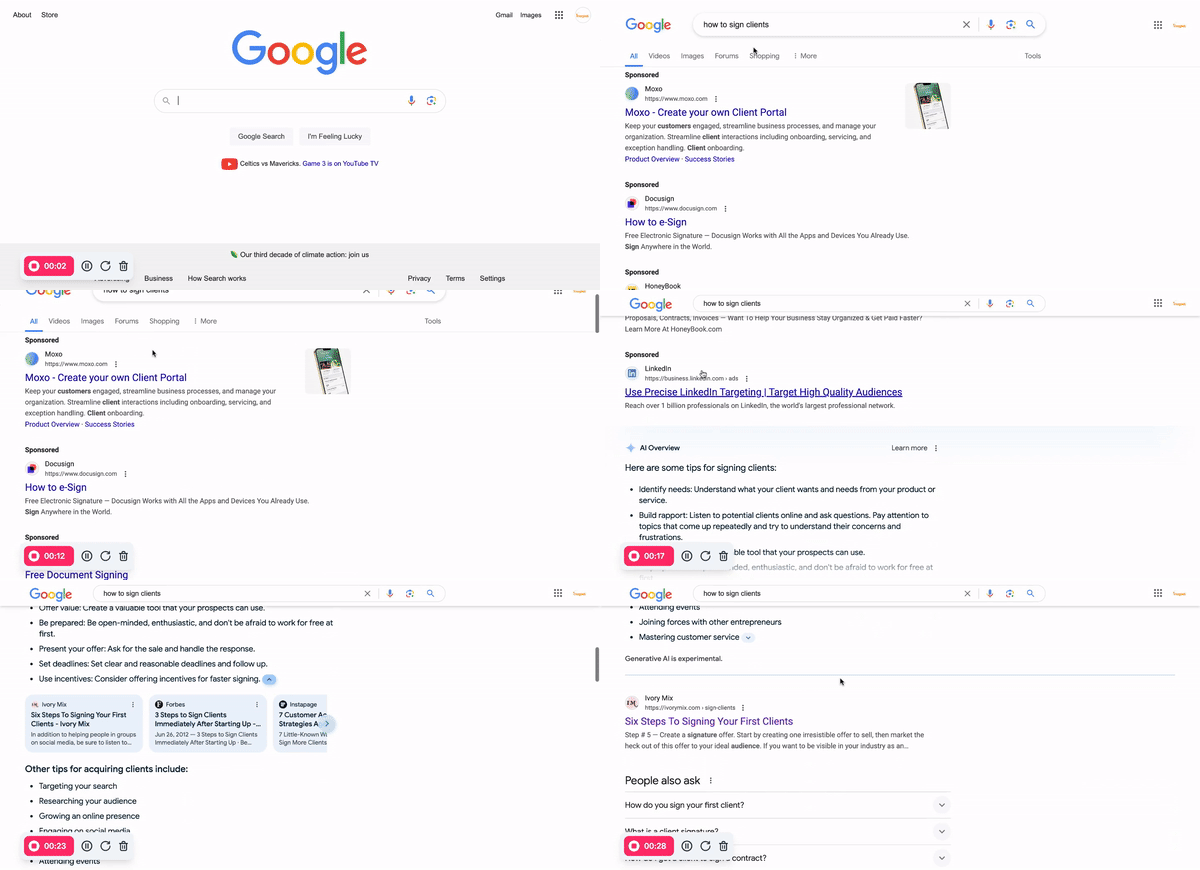
When I type in “how to sign clients,” you can see that the SERP results are prioritized by paid results first, AI Overviews second, and then organic searches.
Not every results page follows this same order, and AI Overviews is more likely to affect “information-seeking” queries than purchase-driven ones.
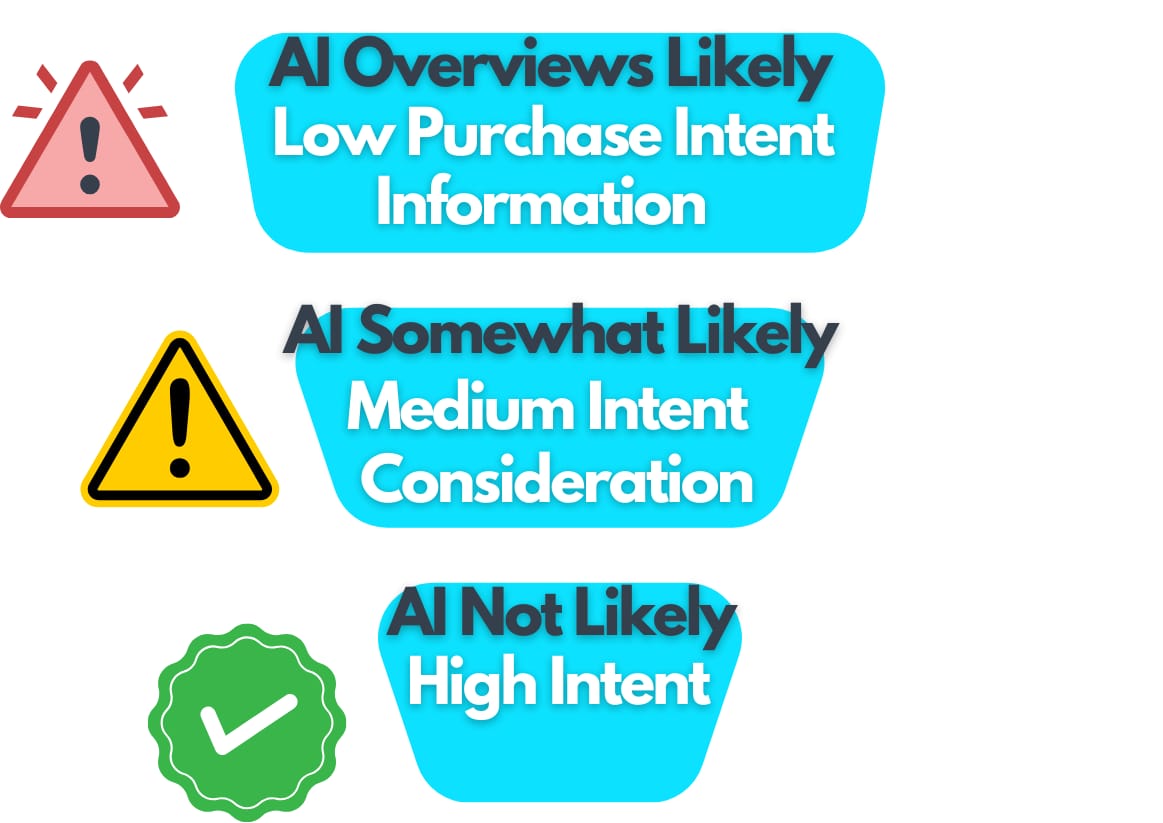
With this newly restructured SERP, not only will there be more “zero-click” searches (users not clicking through to any pages), but there will be greater competition for the top 1-3 spots.
Results below the top three organic placements likely will have a huge visitor drop-off.
Simply put, organic SEO has been de-prioritized.
Publishers’ organic content has been de-prioritized, especially the upper funnel.
Finally, affiliate revenue generated through organic SEO will take a hit.
Algorithm Penalizes Affiliate Review Sites
Outside of AI Overviews, recent core updates to Google’s algorithm have penalized affiliate review sites, sending their organic traffic plummeting.
Of course, it’s not only “affiliate sites,” but the consensus is review sites were hit hard in general by recent algorithm changes.
Popular SEO authority, “Lily Ray,” shared the organic traffic performance for “bestproducts.com,” a Hearst property.
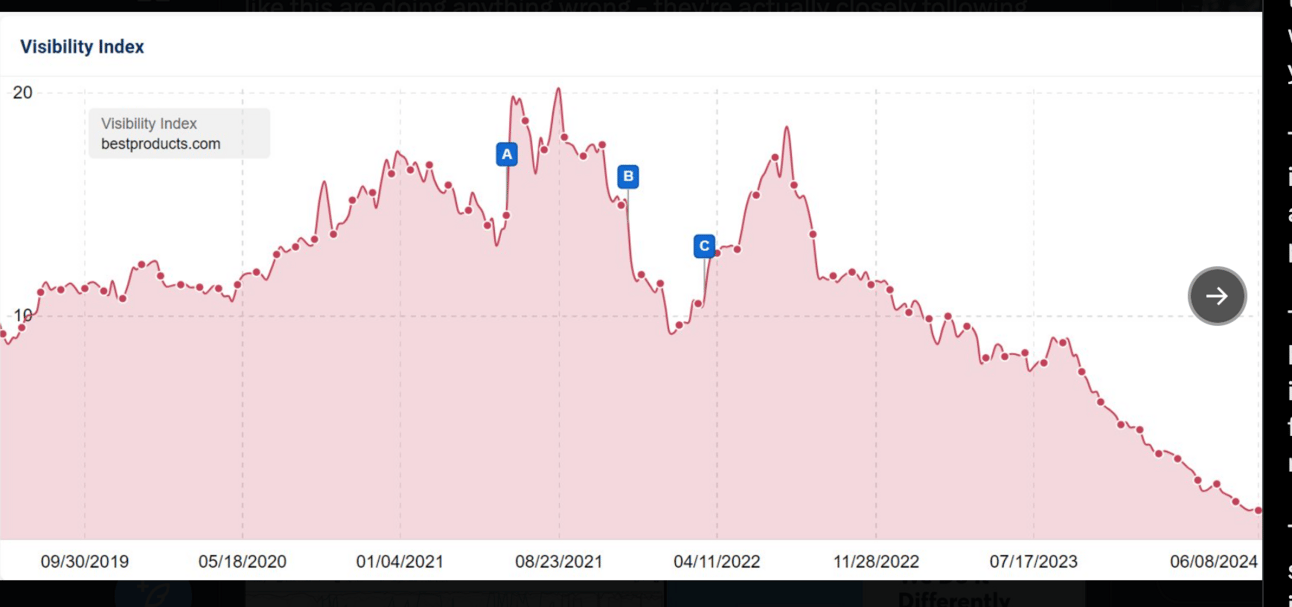
She feels that bestproducts.com is a perfect example of industry-wide changes in SEO.
How much affiliate revenue, for brands and Hearst, was lost with declining organic traffic?
What’s Next?
Content, specifically SEO content, has been one of the largest brand and publisher affiliate revenue drivers.
This stands to change or, at the very least, be impacted.
Both AI Overviews and recent Google algorithm updates mean brands and publishers can’t rely on SEO traffic alone.
There’s too much risk there, as bestproducts.com has seen.
Publishers need to diversify into more paid traffic acquisition.
To diversify, publishers will arbitrage traffic through Google Ads, earning a higher EPC from affiliate revenue than the CPC they pay to Google.
This is a strategy many publishers use already.
The Current Players
There are numerous publishers that already participate in paid search arbitrage, where they purchase traffic from Google Ads for less than they earn in EPC (earnings per click) from affiliate revenue.
These publishers fall into three categories: “premium” media publishers, niche/brand-sponsored review sites, and general consumer review sites.
Let’s focus on general consumer review sites first.
General Consumer Review Sites
General consumer review sites may be the most direct with their paid search arbitrage strategy.
Their core business model is to present content as a consumer resource to monetize affiliate revenue.
Some of the most prominent consumer review sites that invest in paid search are Top10.com, bestreviews.guide, and consumersadvocate.org.
I rounded up almost all of the consumer review sites and compared their paid and organic traffic volumes.
Bestreviews.guide was an outlier (z-score > 4) and was removed from the group.
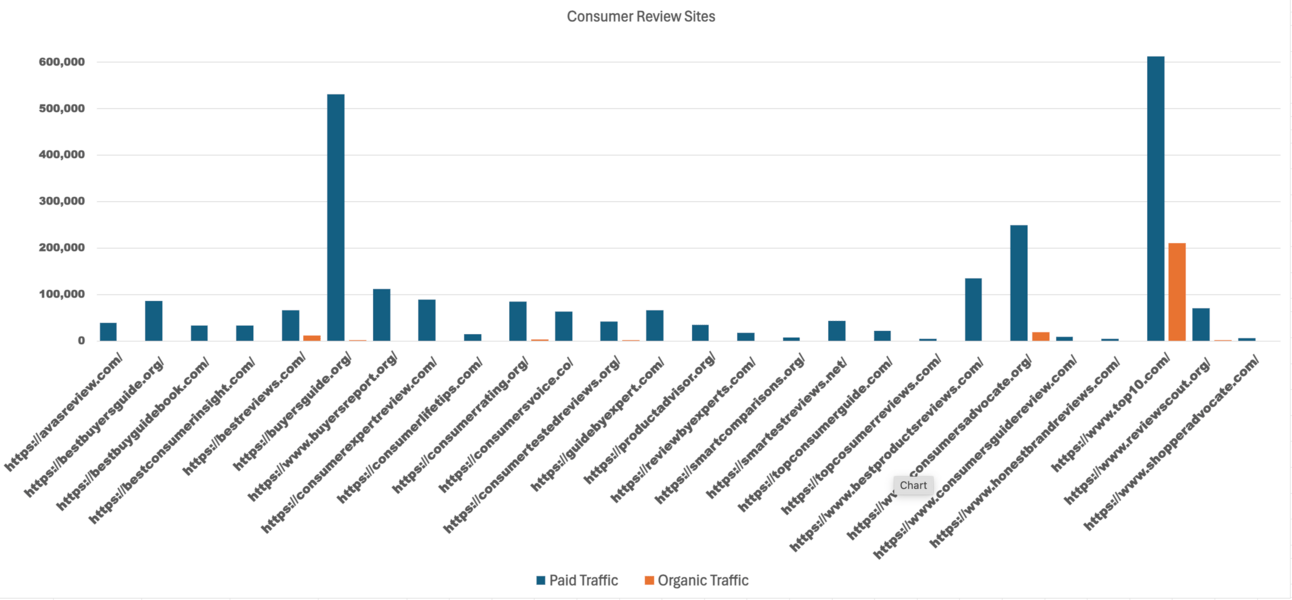
Some observations from the data:
1) Most of the paid search consumer review sites generate under 100,000 visits per month from paid search.
2) Only buyerguide.org, buyersreport.org, bestproductsreviews.com, consumersadvocate.org, top10.com, and bestreviews.guide receives over 100,000 visitors per month from paid traffic.
3) Only top10.com has any meaningful organic traffic.
4) Top10.com, buyersguide.org, and bestreviews.guide are by far the leaders in a paid search strategy for consumer review site publishers.